Endau-Rompin National Park is one of Malaysia’s oldest and most pristine rainforests. Straddling Johor and Pahang, this vast rainforest is known for its lush jungle, rivers, dramatic rock formations and beautiful waterfalls. There are two main entrances on the Johor side: Peta, which is accessed via Kahang, and Selai, which is accessed via Bekok. Both sections are managed as part of Endau-Rompin Johor National Park. Farther north lies Rompin State Park in Pahang, which forms part of the same vast rainforest complex but is administered separately by the Pahang authorities.
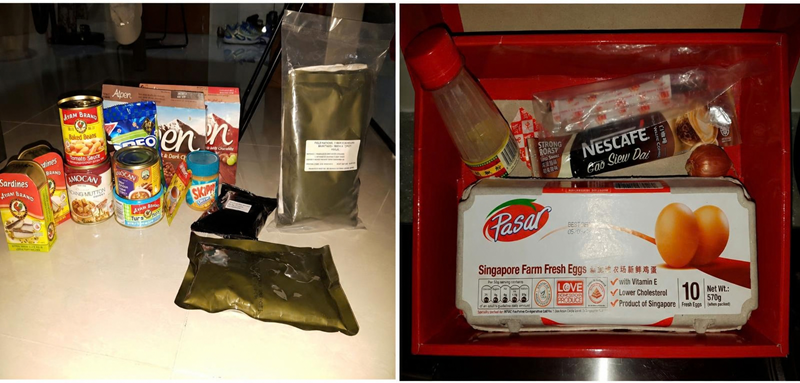
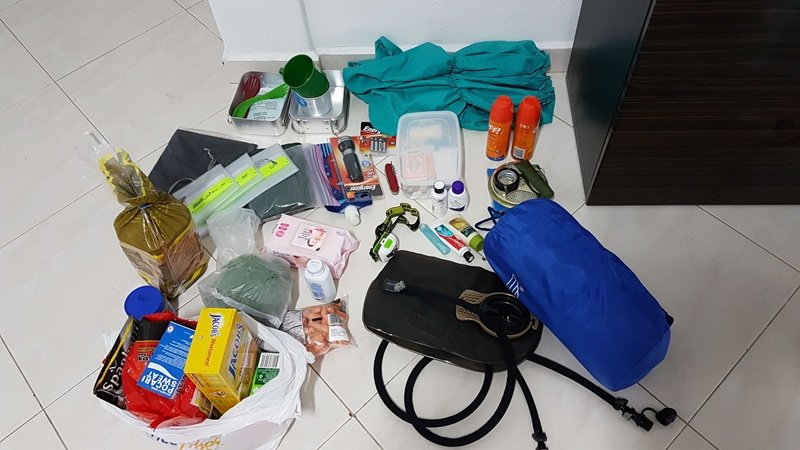
I had always wanted to visit Endau-Rompin. It was so much nearer to Singapore than Taman Negara, but somehow it still had a feeling of being so near yet so far. This was probably because it was much less well known compared to its northern cousin, and also because of the perceived difficulty of arranging a trip there. I finally managed to pull off a 3D2N camping trip to Endau-Rompin Peta with some friends. Being kiasu Singaporeans, we prepared a lot of food for the camp, including canned food, energy bars, bread, vegetables and even eggs.
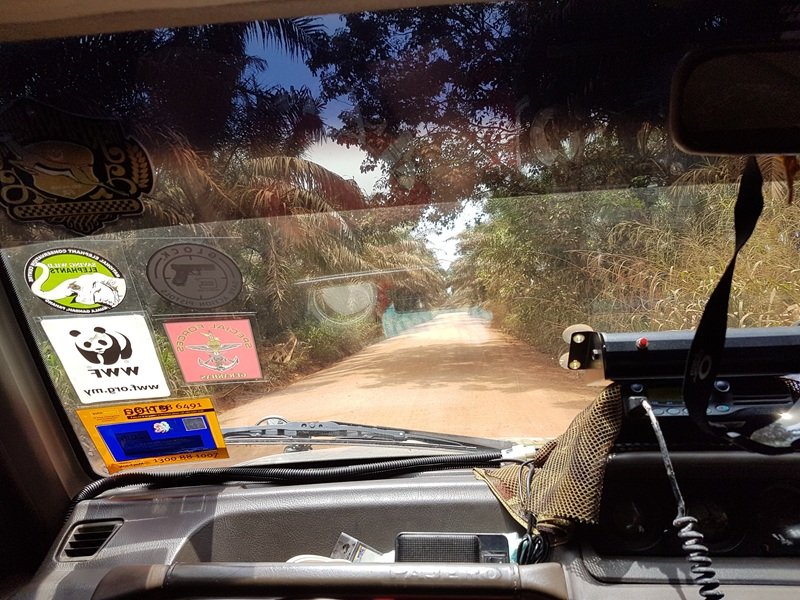
We hired private transport to bring us to the Endau-Rompin Peta park office in Kahang, about a 3-hour drive from Singapore, for registration and collection of our tents before transferring to a 4WD vehicle. From there, it was another 1.5-hour drive, passing through plantations and along rough forest roads, before reaching Kampung Peta, an Orang Asli village with about 200–300 inhabitants and the gateway to the national park.
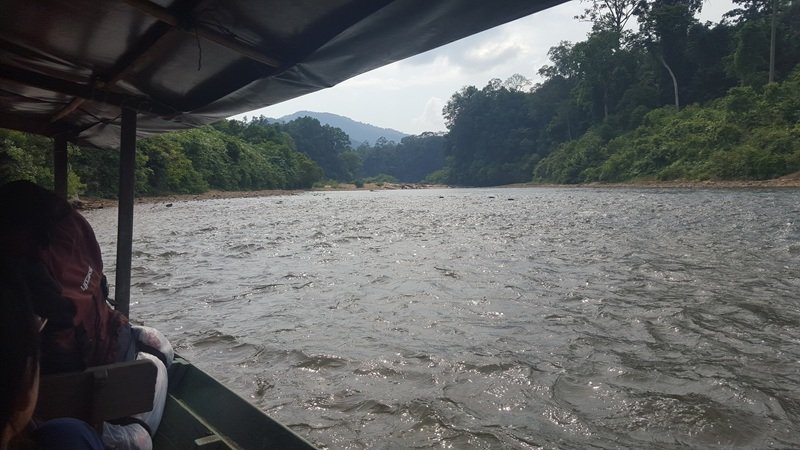
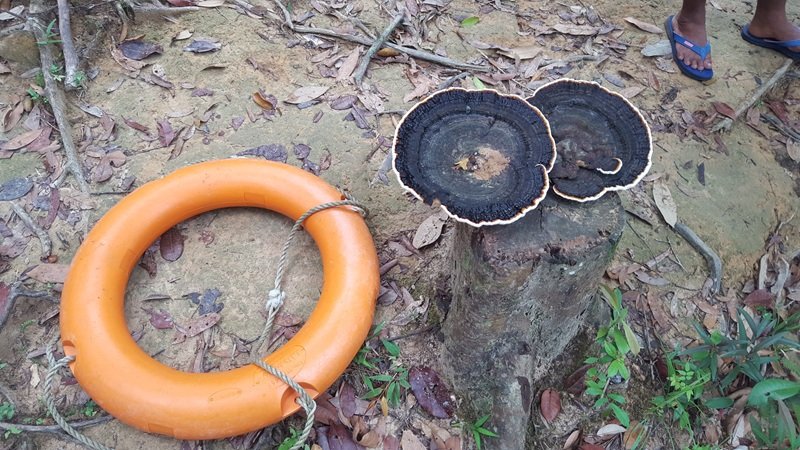 At Kampung Peta, we were greeted by our guide, Bent – a young English-speaking Orang Asli guide from the kampung. We put on our life jackets and took a scenic boat ride, approximately 45 minutes, down the Endau River to the trailhead. The river was quite wide but seemingly shallow. Along the way, we saw some Orang Asli children frolicking in the river with vehicle inner tubes.
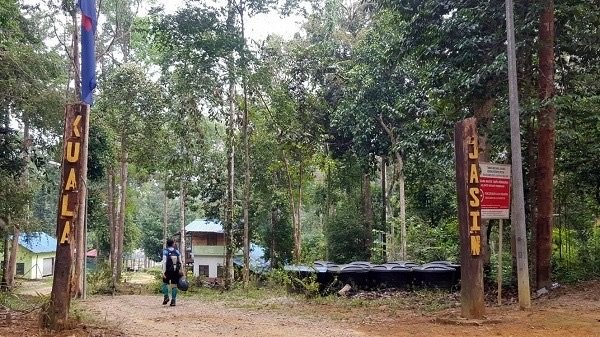
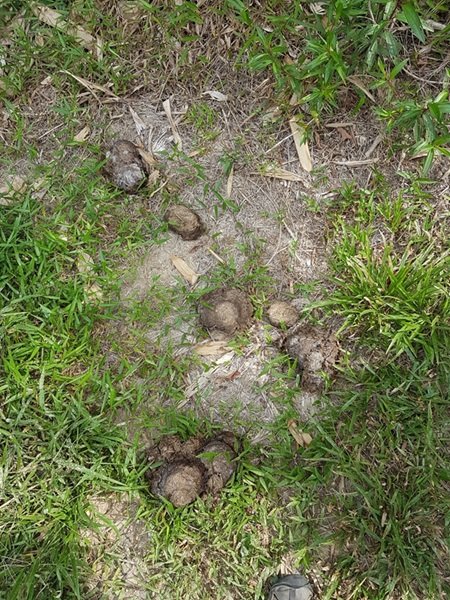
We disembarked at Pacau Jetty, which, despite its name, was merely a simple landing point along the riverbank rather than a constructed jetty. From the jetty, it was about a 1.5-hour hike over relatively flat terrain, with two river crossings along the way, to our campsite at Kuala Marong. Along the trail, we saw many piles of elephant dung as well as some camera traps set up to monitor tigers. We were told by Bent that there is only a very small number of tigers in Endau-Rompin, but they are generally more afraid of humans than we are of them.
Bent also pointed out some claw marks on a tree, which he said had been left behind by the agile Malayan sun bear. These bears often climb trees in search of fruit, honey, insects and beehives, and they may also rest or sleep on tree branches.
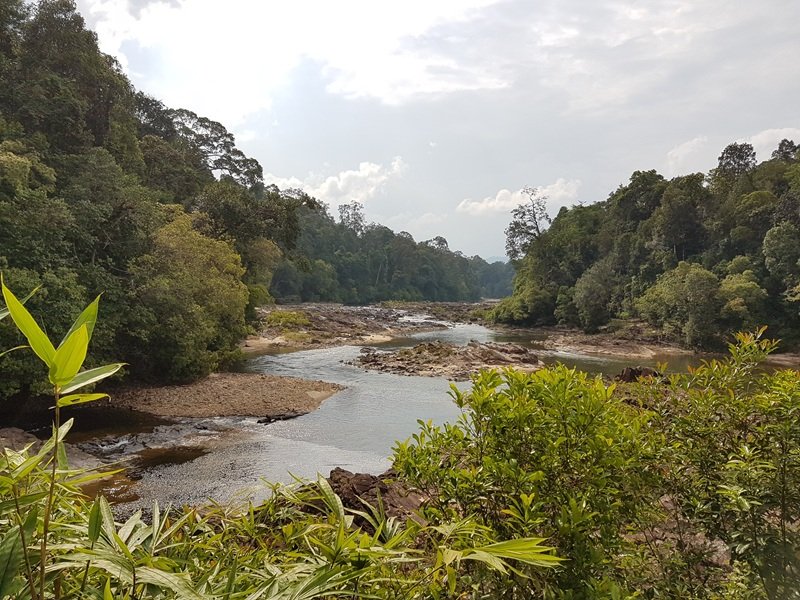
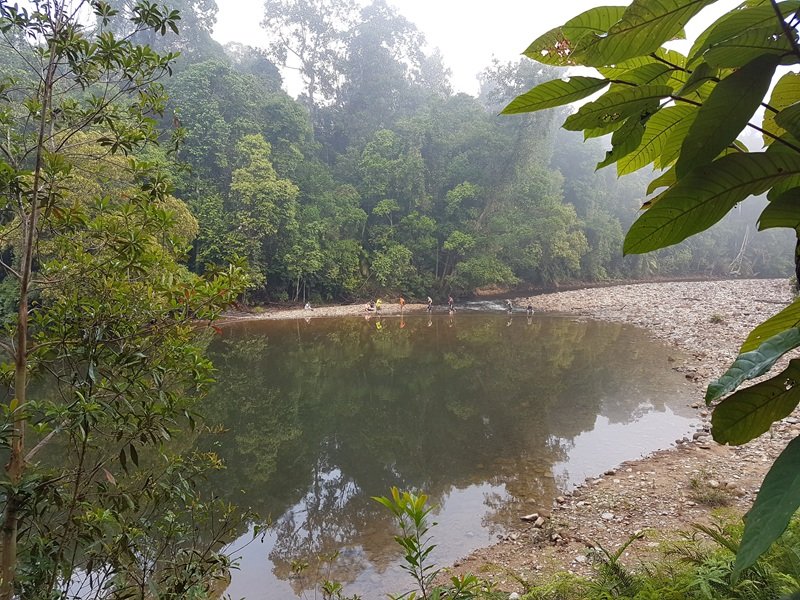
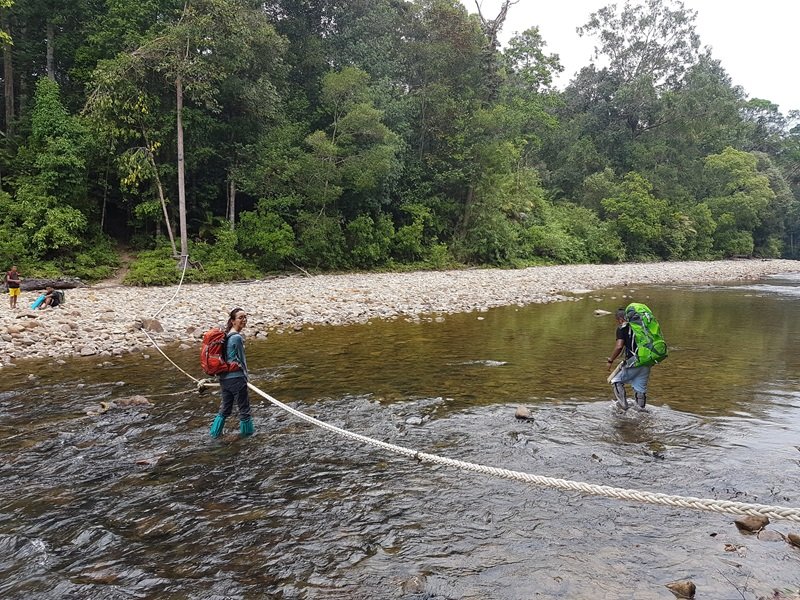
The river crossings were relatively easy as it was the dry season and the water level was only around ankle-deep. However, according to Bent, the rivers can swell rapidly during periods of heavy rain and may become impossible to cross.
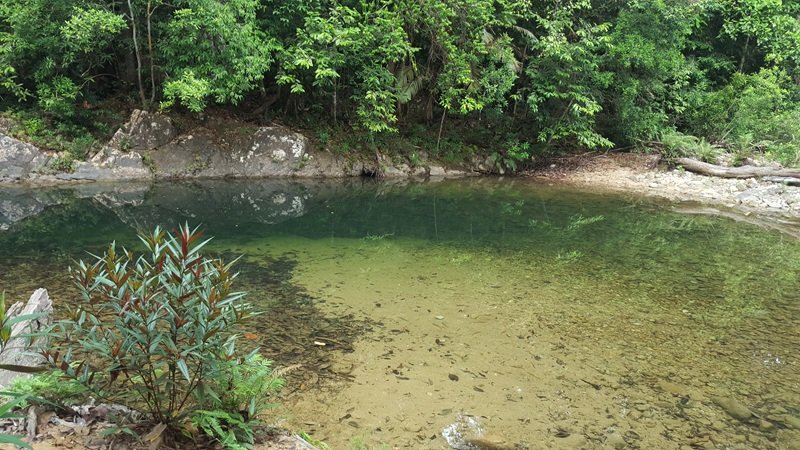
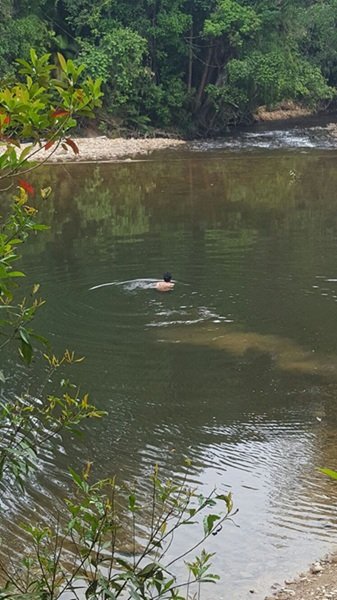
Upon reaching Kuala Marong, we set up our tents and rested for a while while having some trail food for lunch. Just a 5-minute walk away was the beautiful blue lake, Tasik Air Biru. The clear waters around Kuala Marong and Tasik Air Biru are home to ikan kelah, commonly known as the Malaysian mahseer. Sometimes called the “king of the river,” this powerful freshwater fish thrives in clean, fast-flowing and well-oxygenated rivers. It feeds on aquatic organisms as well as fruits and seeds that fall from the surrounding forest. Due to its high value and declining wild population, the kelah is protected within the park, and fishing is strictly prohibited.
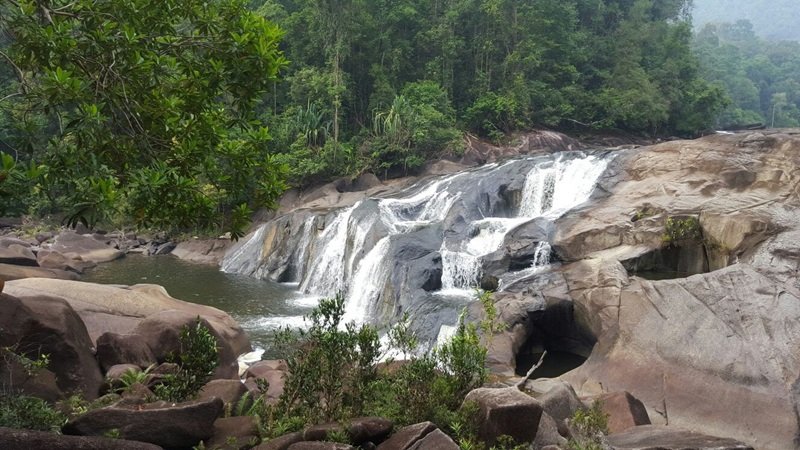
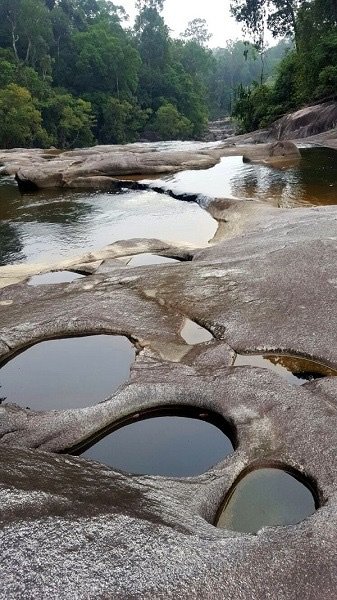
From the campsite, we crossed a river and hiked for another 15 minutes to Upeh Guling, a cascading waterfall with a series of whirlpools formed among ancient volcanic rocks. These rocks are said to be among the oldest existing geological landmarks in Malaysia, dating back around 240 million years. There are many potholes, some as large as a bathtub, which were eroded over hundreds of thousands of years by the force of water and stones swirling continuously within them. We enjoyed a refreshing dip in the pools and a natural jacuzzi massage underneath one of the many mini-waterfalls.
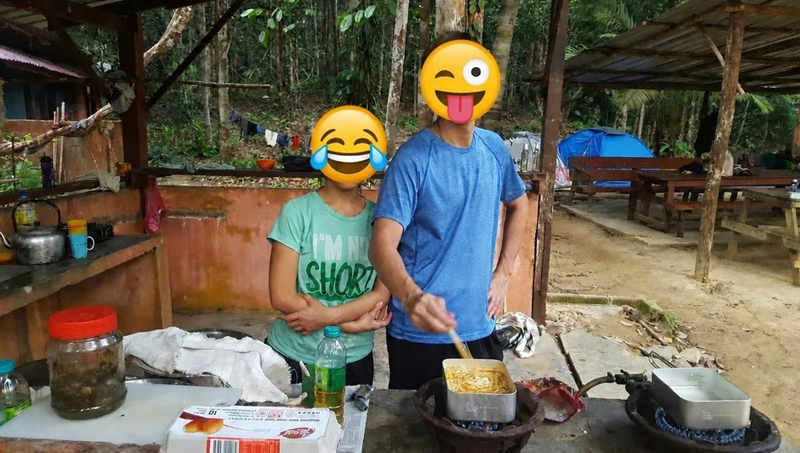
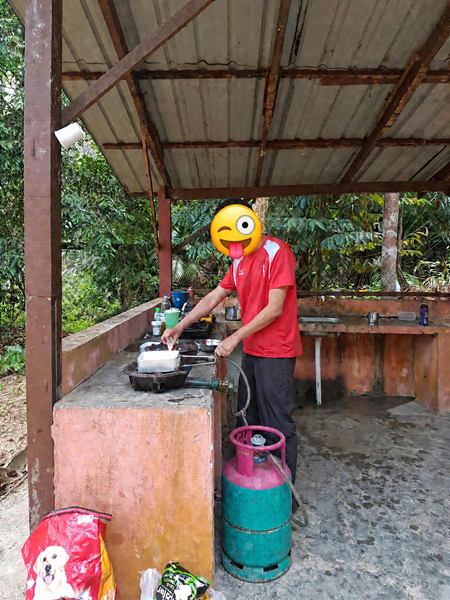
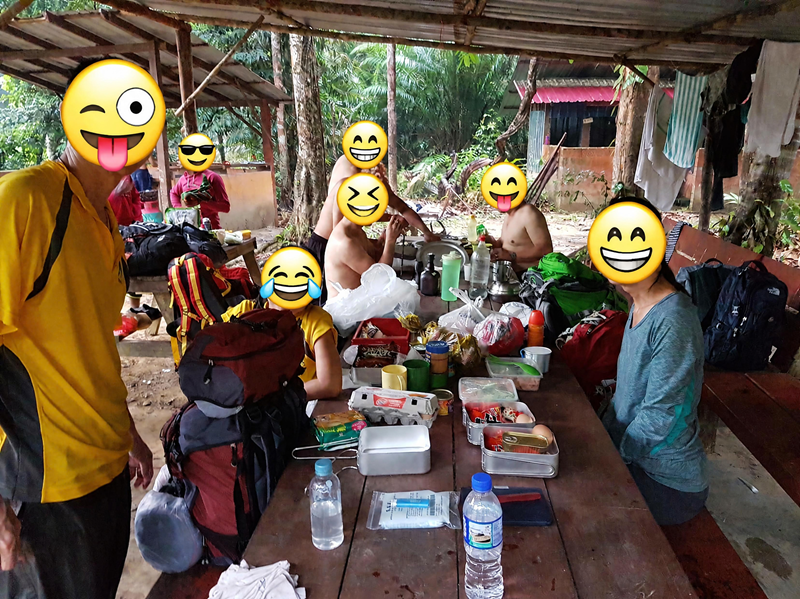
After our exploration, we returned to the campsite to prepare dinner. There was a sheltered, open-air kitchen beside the campsite, complete with a gas stove. The gas stove was probably one of our few luxury items at the camp. After dinner, we gathered around the dining table to chit-chat and watch the starry sky above us. There was also a simple toilet hut nearby. We then went to bed in our tents. The temperature was cool and comfortable at night, but not cold.
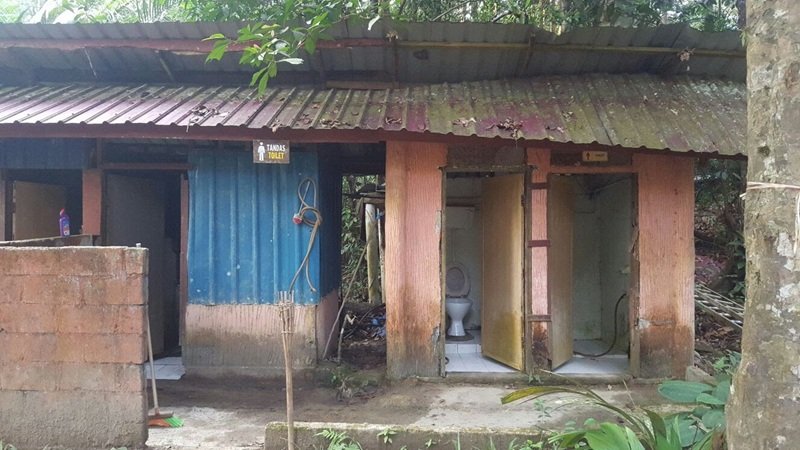
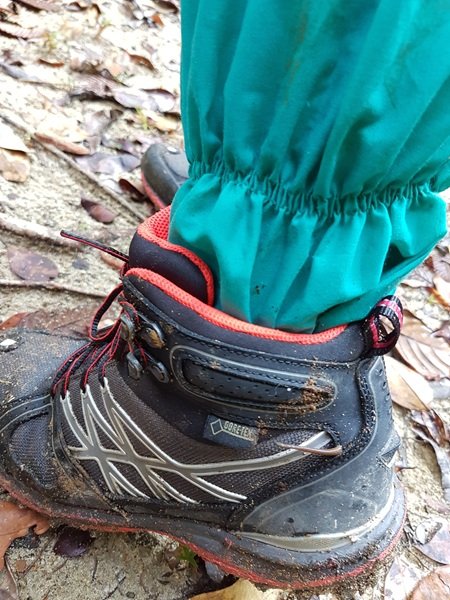
The next morning, we woke up to find a large amount of blood stains on our clothes and discovered a number of leeches inside our tents. We wondered how they had managed to get into the tents. They had probably latched onto us when we went to the toilet in the middle of the night and were unknowingly carried back inside with us.
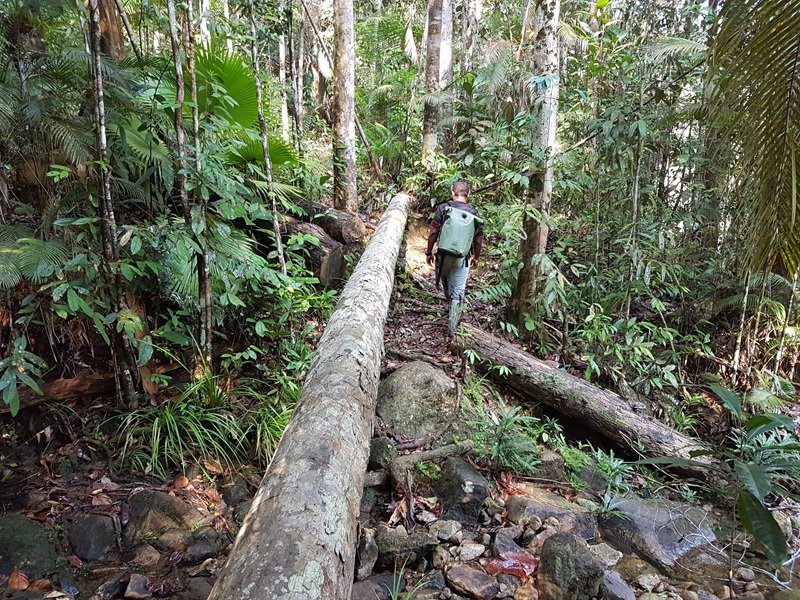
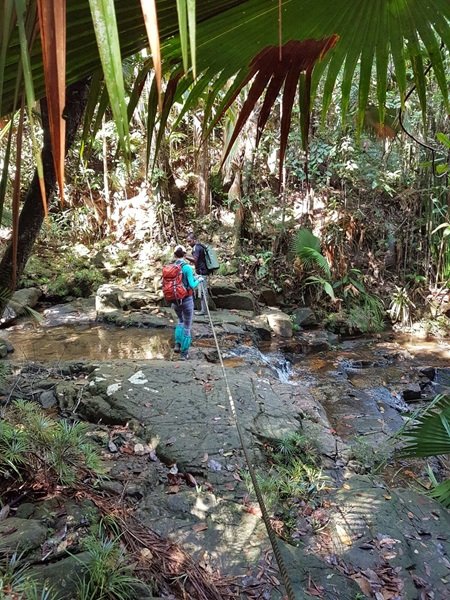
After an early breakfast, we set off for the 6 km hike to the 120 m-tall Buaya Sangkut Waterfall. The trek took around 4–5 hours each way, passing Batu Hampar and involving several river crossings, some steep sections and rough jungle terrain. The waterfall was quite impressive, with a relatively large volume of water cascading down the rocks. According to Bent, this is one of the most impressive waterfalls in Endau-Rompin. Because of its remote location, the waterfall feels wild and untouched, making it one of the highlights for hikers visiting the park.
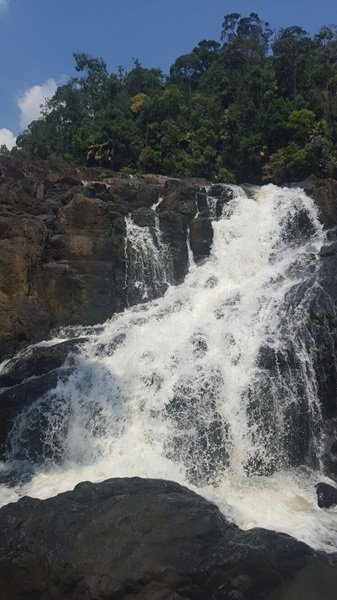
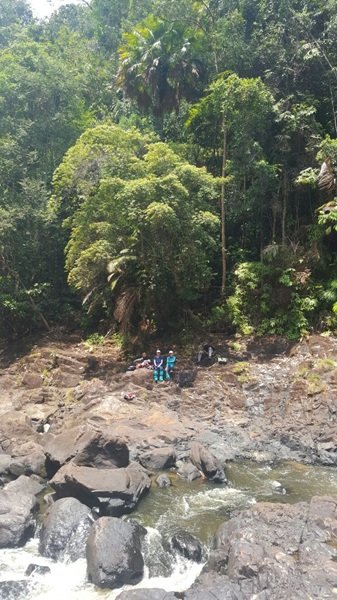
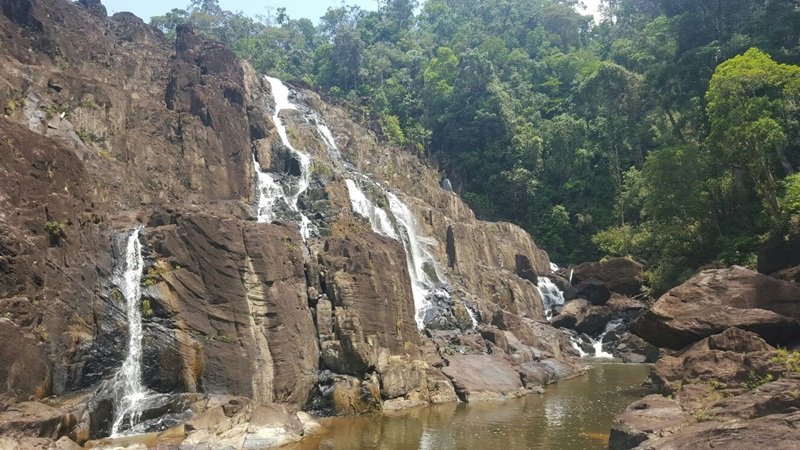
Buaya Sangkut, meaning “trapped crocodile” in Malay, takes its name from a local Orang Asli legend. According to the story, a giant crocodile living upstream was swept down the river and became trapped between the huge boulders at the waterfall. Its body was said to resemble the cascading shape of the falls, giving the waterfall its unusual name. By the time we returned to the campsite, it was already around 4 pm.
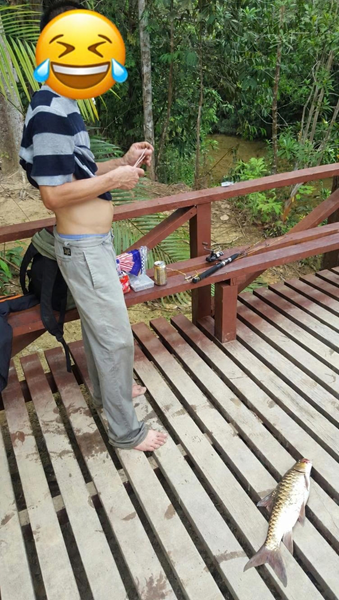
The next day, we woke up feeling our whole bodies aching from the previous day’s long hike. After breakfast, we went back to Tasik Air Biru to take another look at its beautiful turquoise water before heading back. While we were there, we saw a man fishing in the lake, and he managed to catch a good-sized kelah fish. Bent gave the man a scolding for fishing illegally and immediately released the fish back into the water, but unfortunately, the fish was already dead.
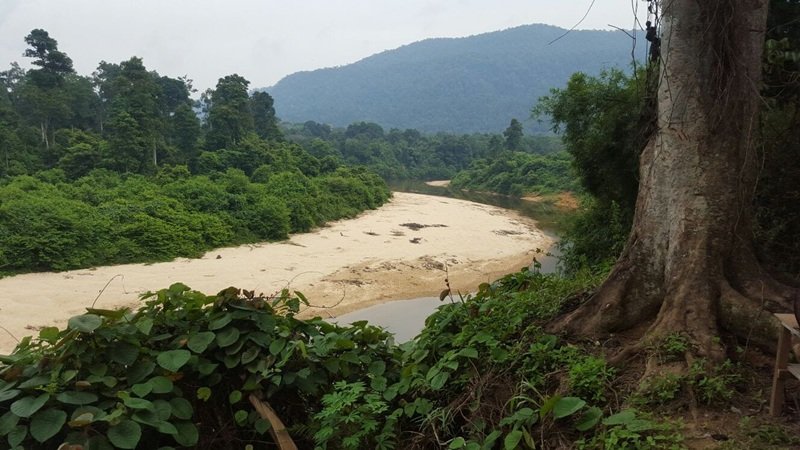
We then broke camp and trekked back along the same route that we had taken on our way in. Upon reaching Kampung Peta, Bent was kind enough to show us around the village. We visited the home of one of his relatives, where we were offered some refreshments while waiting for our jeep to pick us up and take us back to Kahang.
Leave a Reply