Hotboys Kelong is situated beside Pulau Sibu, about 15km off the eastern coast of Peninsular Malaysia. The nearest jetty is Tanjung Leman Jetty, located off Kota Tinggi and before Mersing. The kelong is no longer used for its original purpose of fish farming or fishing, but has instead been converted into a holiday resort for fishing enthusiasts and families or groups of friends looking for a rustic place to relax and chill out. Fishing rods, tackle and bait are available on board. Other activities include mahjong, carrom, pool, karaoke and island hopping. Drinking water, sleeping accommodation, toilets and bathrooms are also provided. Meals, including fresh seafood, are served by the kelong, and most activities, including island hopping and meals, are included in the package price. Perhaps the only time holidaymakers need to spend extra money on board is when buying soft drinks, which are not included in the package but are sold at reasonable prices.
Itinerary
Day 1
0630 hrs: Picked up by minibus at the taxi stand beside NEX Shopping Mall in Serangoon. We had actually arranged with the kelong operator for two pick-up points: NEX, followed by Woodlands MRT station.
0915 hrs: Reached Tanjung Leman Jetty. We missed the first ferry, which departed at around 9 am, and had to wait until 11 am for the next one. In hindsight, we should have left Singapore earlier to catch the first ferry.
1100 hrs: Boarded the ferry to the kelong.
1130 hrs: Reached the kelong.
1200 hrs: Lunch. It was a sumptuous meal with five dishes and one soup, with 10 people seated at each dining table.
1300–1530 hrs: OTOT (Own Time Own Target).
1530 hrs: Island hopping by speedboat. We visited only Sibu Besar Island, the largest island in the Sibu group.
1545–1900 hrs: OTOT on the island. We were “trapped” there for more than an hour because the speedboat propeller became entangled in a discarded fishing net. It took the crew quite some effort to disentangle the propeller from the net.
1915 hrs: Returned to the kelong.
1930 hrs: Dinner. Again, there were five dishes and one soup for a table of 10.
2200 hrs: Supper, consisting of fried noodles and red bean soup.
After dinner, one group of holidaymakers was preparing Kong Ming Deng, or sky lanterns, which they had brought from the mainland. They invited us to join in the fun and even gave us a few lanterns to play with.
Day 2
We woke up early in the morning to watch the sunrise. After sunrise, we went back to sleep again. =)
0800 hrs: Breakfast, consisting of fried vermicelli with luncheon meat, fish fillet and other dishes.
1200 hrs: Lunch, with five dishes and one soup for a table of 10.
1400 hrs: Boarded the ferry back to the mainland.
1530 hrs: Boarded the minibus back to Singapore. There was a hiccup in the transport arrangement, and we had to wait for about an hour for the minibus to arrive.
1800 hrs: Reached Singapore. The driver dropped us off at Woodlands MRT station first, followed by NEX Shopping Mall.
The jetty also serves ferries to islands in the Sibu group, including Sibu Besar, Sibu Tengah and Tinggi Island. There is a car park managed by Wilson Parking beside the jetty, and some Singaporeans actually drive there themselves. Our minibus dropped us at the jetty and drove off, as the kelong operator had outsourced the land transport to a bus operator. We were approached by one of the kelong staff, who directed us to the ticket booth to purchase the jetty entrance ticket at RM4 per person.
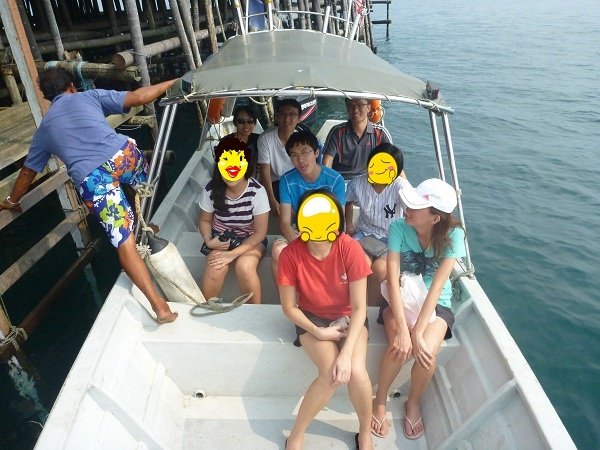
There was a canteen and even a KFC restaurant tucked away in one corner beside the jetty. The ferry had an enclosed deck, and life jackets were provided, although most passengers did not bother to wear them. The ferry journey took about 30 minutes. The deck of the kelong was higher than the ferry, so passengers had to climb a steep wooden staircase to board the kelong. Elderly visitors would probably need extra help, especially at low tide or when sea conditions were choppy.
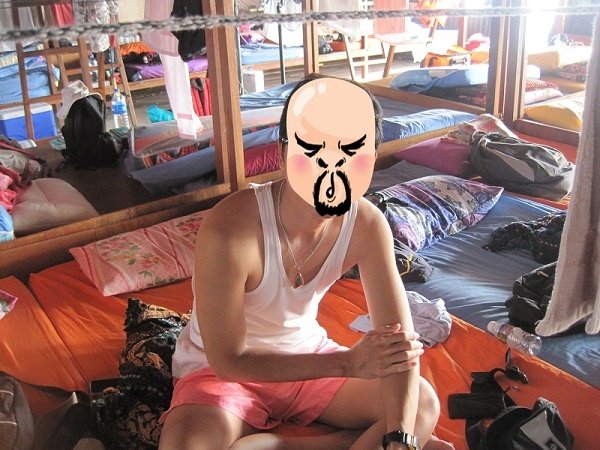
The kelong was very large, easily bigger than two basketball courts. Open corridors ran around the outer edges, with several toilet-cum-bathrooms located beside them. The enclosed section of the kelong was divided into several areas, including the dining area, kitchen, sleeping quarters and TV/KTV room. The kitchen was off-limits to visitors. The sleeping quarters consisted of double-decker beds arranged side by side in close proximity, a little like a POW camp. It was very much communal living, so light sleepers would be wise to bring earplugs unless they enjoy being awakened by other people’s snoring.

Behind the bathrooms were large black cylindrical water tanks, while the bathrooms themselves had portable toilet bowls. Every day, a boat from the mainland delivered water for drinking and washing to the kelong. The kelong workers then used an in-house water pump to transfer the water from the boat into the tanks on board. There was no hot shower. I reckon there are few places more conducive to relieving your bladder than a kelong toilet with the open sea beneath you.


We reached the kelong at around 11.30 am, just in time for lunch. The amount of food served was just right for a table of 10. The dishes, which included fish and prawns, were delicious and fresh. Interestingly, the seafood was not caught directly from the kelong but purchased from fishing boats that passed by every morning. Fishing enthusiasts could either bring their own gear or rent equipment from the kelong. Squid fishing was also possible at night.


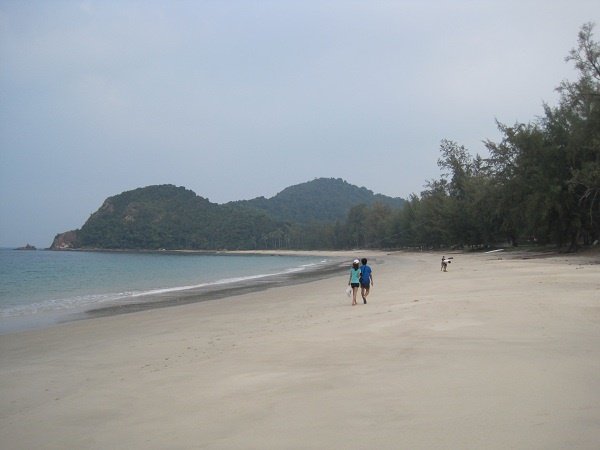
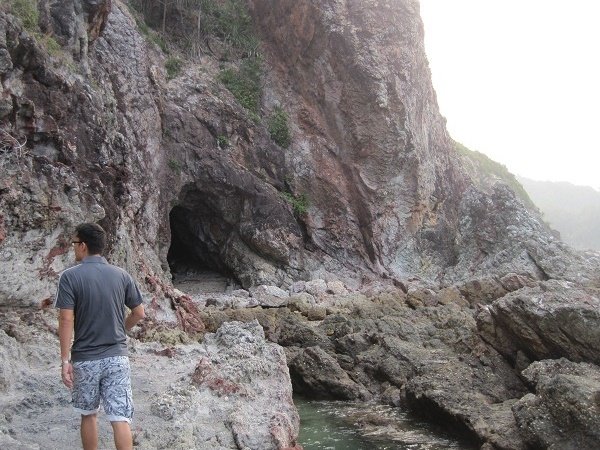
The package included island hopping, but because of time constraints, we visited only the largest nearby island, Sibu Besar, which was about a 10-minute speedboat ride away. Sibu Island is actually made up of several islands, including Sibu Besar, Sibu Tengah, Sibu Kukus and Sibu Hujung. Sibu Besar, the main island, is approximately 6km long and 1km wide and is largely covered by tropical vegetation. The island has attractive white-sand beaches and clear waters. We explored a rocky outcrop at one end of the beach and discovered a small cave inhabited by hundreds of bats.


The standard dinner usually consisted of four or five dishes, but guests could top up the package to include a steamboat or BBQ dinner, provided the kelong was notified about a week in advance. After dinner, one group of holidaymakers prepared Kong Ming Deng, or sky lanterns, which they had brought from the mainland. They invited us to join them and even gave us a few lanterns to try.
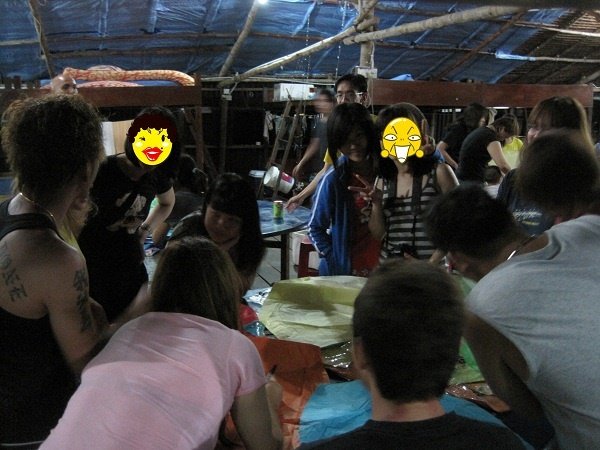


Successfully lighting and launching a Kong Ming Deng required quite a bit of teamwork. The lantern had to be held upright and fully opened before the flame was lit; otherwise, the paper could easily catch fire. After lighting the flame, we had to keep holding the lantern upright for more than half a minute to allow the air inside to heat up sufficiently. Only then would enough lift be generated to overcome the weight of the lantern. Some of the less successful ones burst into flames in the sky, while others dropped into the sea and became “sea lanterns”. With the application of a little simple physics, ours was successfully launched and drifted away until it disappeared from sight.
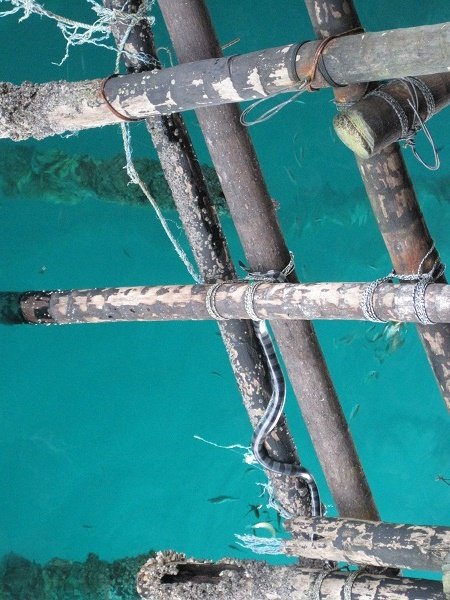
We woke up early the next morning to watch the sunrise and then went back to sleep until we were awakened by a commotion. A two-metre sea snake had been spotted climbing one of the kelong stilts. It was a beautiful creature, albeit a highly venomous one. After lunch, we boarded the ferry back to the mainland and eventually reached Singapore at around 6 pm.